Crime & Law
Attorneys Say People Housed at Stateville Prison Should Be Transferred Over ‘Dire Injury’ Risks at Aging Facility
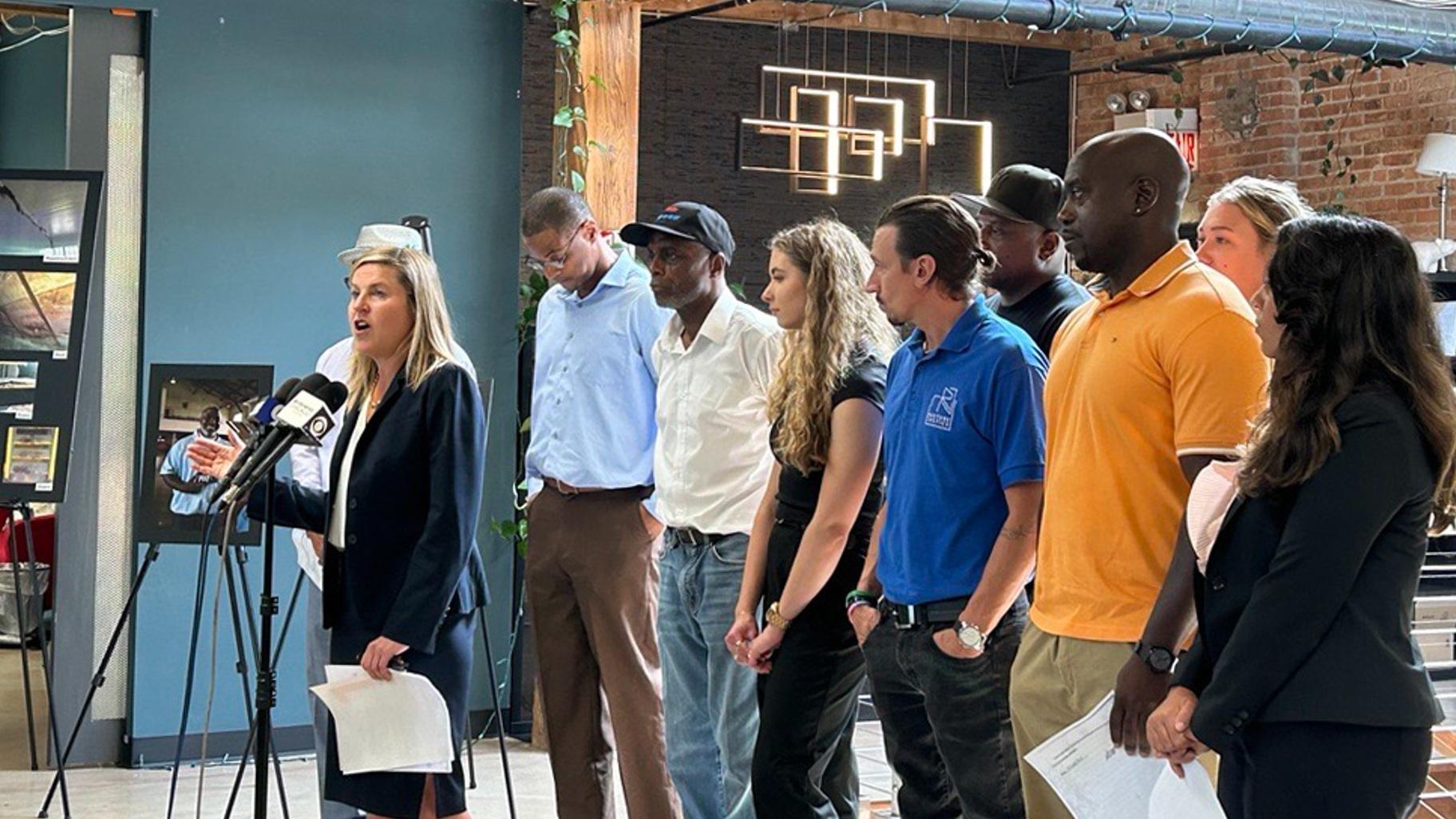 Heather Lewis Donnell of Loevy and Loevy speaks at a news conference on July 31, 2024. (Blair Paddock / WTTW News)
A Chicago civil rights law firm on Wednesday filed a motion for a preliminary injunction seeking to immediately transfer the incarcerated people housed at Stateville Correctional Center out of the facility.
The move is part of Dobbey v. Weilding, an ongoing class action lawsuit over conditions at Stateville that the firm Loevy and Loevy has been litigating since 2013.
“Right now, there’s over 420 residents at Stateville who are at risk of dire injury due to the structural vulnerabilities, degradation and deterioration of those buildings that put them at risk of serious physical injury,” said Heather Lewis Donnell, a partner at Loevy and Loevy.
The motion is seeking for the Illinois Department of Corrections to produce a plan detailing the release or transfer of class members from Stateville to another facility by Aug. 12, with the transfer or release of all class members being completed by no later than Sept. 20.
The firm is trying to speed up the facility closure process that Gov. J.B. Pritzker’s administration proposed in March. That proposal included plans to shut down Stateville as well as a women’s facility, Logan Correctional Center. Stateville could close as early as September, according to the plan.
“The timeline plans are those that have been publicly stated,” Lewis Donnell said. “That is partly why this motion’s been filed, to get a date set.”
An IDOC spokesperson said the department cannot comment on active litigation, noting IDOC previously indicated it would not begin to wind down operations at Stateville until at least 180 days from the time it officially filed its notice of the closure. That would put the wind-down date at Sept. 13.
The prisons were proposed to close after a state-commissioned report found that Stateville is “not suitable for any 21st century correctional center” and Logan is “inefficient, ineffective, and unsuitable for any population.”
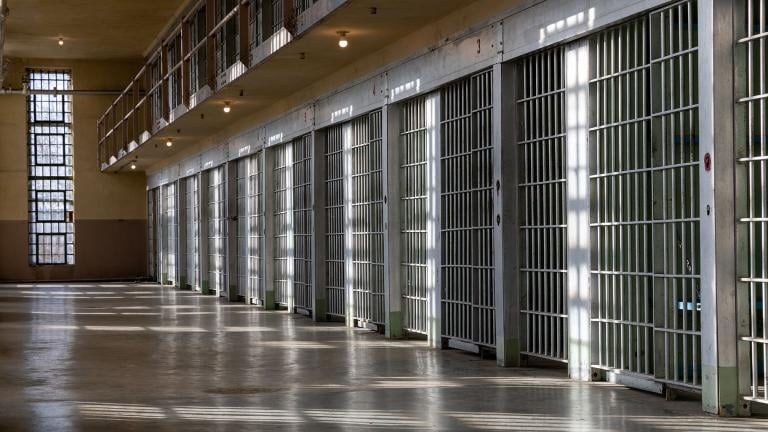
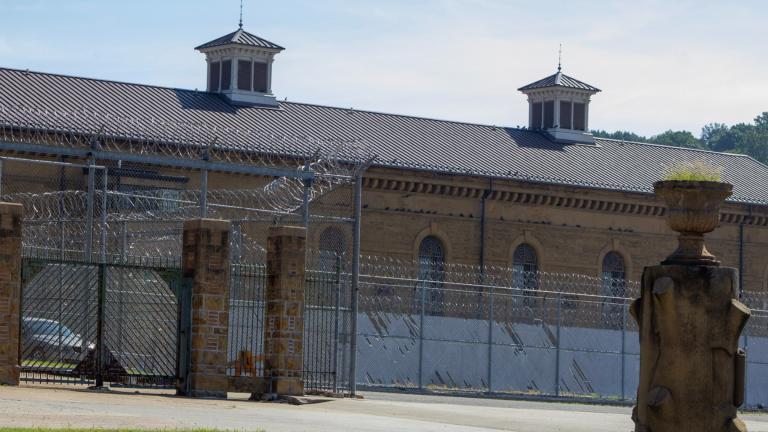
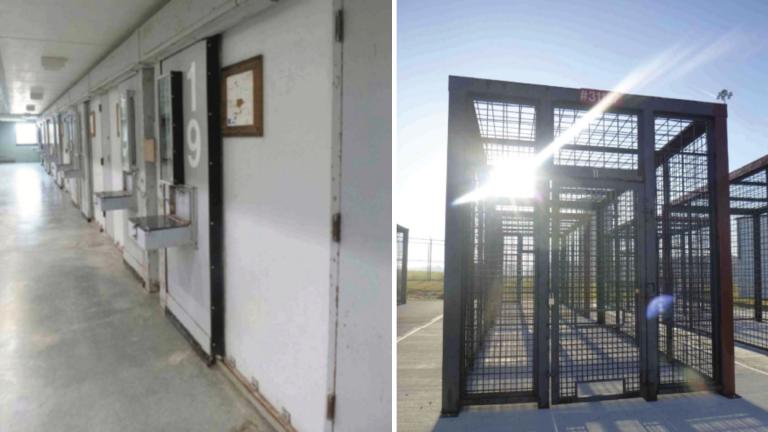
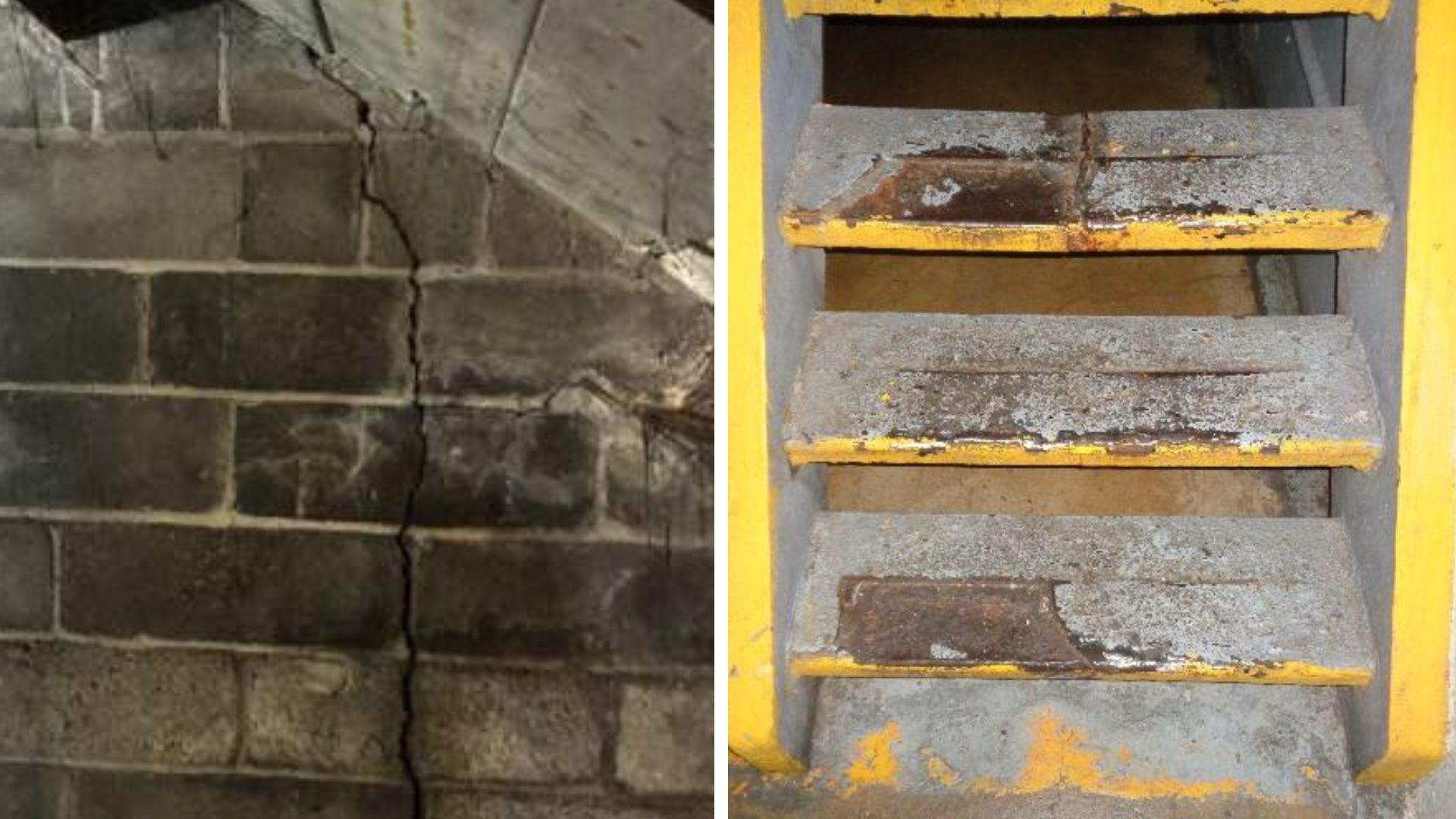 Images of Stateville Correctional Center. (Provided by Loevy and Loevy)
According to proposals from the state, both prisons would be demolished and rebuilt on Stateville’s some 2,000-acre property. In June, the state’s Center for Government Forecasting and Accountability held hearings over both prison plans, leading up to a vote from that commission.
That vote ultimately did not happen, as the commission did not meet quorum. Meanwhile, lawmakers said the closure plans were “far from shovel-ready.”
AFSCME Council 31, the union that represents most employees within IDOC, said in a statement the union has “not seen any sound rationale for beginning to move individuals in custody out of Stateville” and that “there is no evidence that these individuals would be safer elsewhere in the system.”
The statement said deferred maintenance is an issue throughout IDOC and that movement would disrupt educational programs.
“Our union supports building a new facility on the Stateville grounds while keeping the current facility open during construction and continuing to make repairs as needed,” the statement continued.
But Lewis Donnell said Stateville should have been shut down even before the closure announcement from state officials.
For more than a decade, incarcerated people at Stateville have been involved in a class action lawsuit over conditions at the prison.
Just last week, a large piece of concrete broke off from a beam and the ceiling in the commissary, according to a sworn declaration from Abdul Malik Muhammad, a plaintiff in the suit.
He detailed nailed-shut windows, broken industrial fans and little ventilation last week to WTTW News.
Last month, Michael Broadway, incarcerated at the facility, died in custody. His autopsy has not yet been released.
James Soto, once a plaintiff in the case who was incarcerated at Stateville until his exoneration, said he’s seen structural issues as well: concrete falling from ceilings, water leaking through the building during rain, and stifling heat.
“This is really a public health issue, a safety issue for those that are in there,” Soto said.
Note: Loevy and Loevy has done legal work for WTTW News.